Skip to content

Love In The Age Of Blue Ticks
Last seen. Blue ticks. Typing. Story viewed by. A single unanswered message now arrives with a full forensic dossier. In this piece, Pooja Bedi asks when a relationship acquired quite this much data, why it hijacks our peace, and how to tell the difference between instinct and paranoia in the age of the blue tick.


There is a video I saw once that I have never quite recovered from.
A young woman discovers, to her mounting horror, that her new boyfriend is not on social media. Any of it. No Instagram, no Facebook, no LinkedIn, nothing. She spirals. How will she ever see his exes? How will she know what he did last summer? She recruits her friends into an emergency digital manhunt, and they conclude, in genuine distress, that he is a ghost, a man with no online footprint whatsoever. She starts snooping around his house and finds, beneath his bed, an actual photo album. Physical photographs. She is baffled that nobody can comment on them, and appalled that the pictures don’t even have filters. When she asks what he does when he has an opinion about something, he replies, with terrifying calm, that he discusses it with the person concerned. She realises, with dawning existential horror, that she will never know what this man ate for lunch unless she actually asks him.
It was a spoof. But like all good comedy, it hurt a little, because it was true.
Once upon a time, if someone didn’t call, you simply didn’t know why. You wondered, you waited, occasionally you moped, and then life moved on. Today, a single unanswered message comes with a full forensic dossier. Last seen. Blue ticks. Typing. Online now. Story viewed by. And the elite investigative unit otherwise known as your best friend, magnifying glass out, ready to analyse the evidence. So let me ask the question this whole piece is really about. When exactly did a relationship acquire this much data? And has all this information made us feel more secure, or just given us infinitely more to worry about?
The Blue Tick Is Not a Barometer of Love
Here is what actually happens, and there’s real psychology behind it, so it’s worth understanding rather than just laughing at.
You send a message. You watch the single tick become two. Then the two ticks turn blue. Read. And then… nothing. Silence. And in that silence, a remarkable thing happens inside your body. Your brain’s threat-detection system, the same ancient alarm we’ve talked about before, springs into action, treating a pause in a text conversation as though it were genuine danger. Researchers have found that being left on read can trigger a real, measurable stress response. The delayed reply now comes with evidence, and your mind, helpfully, begins to build a case.
But here is the fascinating part. Two people can receive the exact same blue tick and the exact same silence, and live in two completely different realities. Psychologists link this to attachment style. A person with a secure sense of self reads the silence and thinks, quite reasonably, “they’re busy, they’ll reply when they can,” and then goes about their day. A person operating from insecurity reads the identical silence as rejection, abandonment, proof of the worst, and spirals. Same data. Same blue tick. Two entirely different experiences.
Notice what that means, because it’s the whole point. The blue tick didn’t create the anxiety. It revealed it. The technology is simply holding up a mirror to how safe you already feel, in yourself and in the relationship. A delayed reply almost always means something gloriously mundane, a meeting, a nap, a low battery, a moment of not being surgically attached to a screen. The app just makes it very easy to write a tragedy where a shrug would do.
When Being in Touch Becomes Keeping a Vigil
I wrote something years ago, long before blue ticks were even a torment, that I stand by completely today. There is a world of difference between being in touch and keeping a vigil.
Back then I was writing about long-distance love, about how technology had made it possible to stay woven into each other’s daily lives across any distance. And even then, I warned that constant contact is not the same as constant surveillance, and that trust is what allows a relationship to breathe, while distrust is the weed that slowly suffocates and kills it. I also made a distinction I think matters more now than ever: paranoia and instinct are two separate things. Instinct is a quiet, grounded knowing. Paranoia is a frightened mind manufacturing evidence. The tragedy of modern love is that our phones have handed paranoia an endless supply of raw material.
Because let’s be honest about what the surveillance actually is. Checking their last seen. Noticing they were online but didn’t reply to you. Watching them view your story and say nothing. Monitoring who they follow, who follows them, whose posts they like at 1am. This isn’t connection. It’s a stakeout. And I say this with love, because I understand the fear underneath it, but a relationship in which one person is quietly running surveillance on the other is not a relationship. It’s a prison, and exhaustingly, you’re serving as both the guard and the inmate.
I’ve said for years that jealousy is not a sign of love, however much we romanticise it. It’s a sign of insecurity, of seeing another person as an object to be possessed rather than a soul to be trusted. The blue tick era didn’t invent that insecurity. It just gave it a dashboard.
Trust Is a Decision, Not a Feed
So what do we actually do, given that we’re not returning the phones and going back to booking trunk calls?
We remember that all this data is not the same as intimacy. You can know precisely when someone was last online and have absolutely no idea what’s in their heart. You can track every story they view and still never have the one honest conversation that would actually settle you. Information is not connection. It never was. A screen full of metadata is a very poor substitute for simply asking someone how they feel, and trusting the answer.
And we make a decision, because that’s what trust actually is. Not a feeling that arrives when the evidence is finally sufficient, there will never be enough data to satisfy a frightened mind, because a frightened mind isn’t looking for reassurance, it’s looking for the next thing to worry about. Trust is a choice you make in the absence of certainty. It’s deciding to hand someone your peace and believe they’ll be careful with it, rather than appointing yourself their full-time investigator.
Years ago I asked my readers a question, and it’s even sharper now than when I wrote it. Do you base your happiness on when, and how many times, the person you love calls you during the day? Because if a blue tick can make or break your entire afternoon, the problem was never really the blue tick. It’s that you handed a small grey checkmark the power to decide your worth.
So here’s the invitation, and it’s a genuinely freeing one. The next time you catch yourself staring at “last seen,” building your case, refreshing for evidence, stop and ask the only question that matters: am I responding to instinct, or feeding my paranoia? One deserves a calm, honest conversation. The other deserves for you to put the phone down, go and live your actual life, and let the person you love live theirs. Because love was never meant to be surveilled. It was meant to be trusted. And trust, unlike your notifications, is something only you can switch on.
The insecurity that turns a blue tick into a threat, and love into a stakeout, almost always traces back to how safe you feel within yourself. Learning to build that inner security, so no small grey checkmark can hijack your peace, is a large part of the work in LIMITLESS.
Frequently Asked Questions (FAQs)
Why do read receipts and blue ticks make me so anxious?
Because your brain treats a pause in conversation as a potential threat, triggering a real stress response, not something you’re imagining. When you see a message has been read and no reply comes, the mind rushes to fill the silence with meaning, usually the worst possible one. How intensely you feel this is strongly linked to your attachment style: a person with a secure sense of self tends to assume the other is simply busy, while someone operating from insecurity reads the same silence as rejection. The blue tick doesn’t create the anxiety. It reveals how safe you already feel, in yourself and in the relationship.
Is checking my partner’s “last seen” or online status a red flag?
It’s less a red flag about them and more a signal worth heeding in yourself. Occasionally noticing is human. But when checking last seen, monitoring who they follow, or tracking whose posts they like becomes a habit, it has quietly crossed from connection into surveillance, and that pattern erodes both your peace and the relationship. This behaviour is almost always driven by insecurity rather than genuine evidence of wrongdoing. The healthier response is to notice the urge, ask yourself what you’re really afraid of, and address that directly, through honest conversation or inner work, rather than through the exhausting role of full-time investigator.
What’s the difference between instinct and paranoia in a relationship?
Instinct is a quiet, grounded knowing, often calm even when it senses something is wrong. Paranoia is a frightened, agitated mind actively manufacturing evidence and worst-case stories. The distinction matters enormously in the age of blue ticks, because our phones hand paranoia an endless supply of raw material, last seen, story views, response times, to build a case from. A useful test: instinct tends to point to a specific, real change in behaviour and invites a calm conversation. Paranoia latches onto ambiguous digital data and spirals. One deserves to be heard. The other deserves to be soothed, not fed.
How do I stop obsessively checking my phone in a relationship?
Start by recognising that no amount of data will ever satisfy a frightened mind, because it isn’t actually seeking reassurance, it’s seeking the next thing to worry about. The habit is driven by anxiety, so the real work is addressing the insecurity underneath rather than gathering more evidence. Practically, turn off read receipts if they torment you, put the phone down and re-engage with your own life, and when a genuine concern arises, raise it in an honest conversation rather than a silent stakeout. Above all, remember that trust is a decision you make, not a verdict you reach after collecting enough proof.
Has technology actually made relationships worse?
Not inherently, but it has given our existing insecurities powerful new tools. Technology has done wonderful things for connection, keeping long-distance couples woven into each other’s daily lives in ways that were once impossible. The problem isn’t the technology itself, it’s that features like read receipts, last seen and story views hand an anxious mind endless material to misread. A secure person uses these tools lightly. An insecure one turns them into instruments of self-torture. As with most things, the phone is simply a mirror, amplifying whatever level of trust and security you already bring to the relationship.
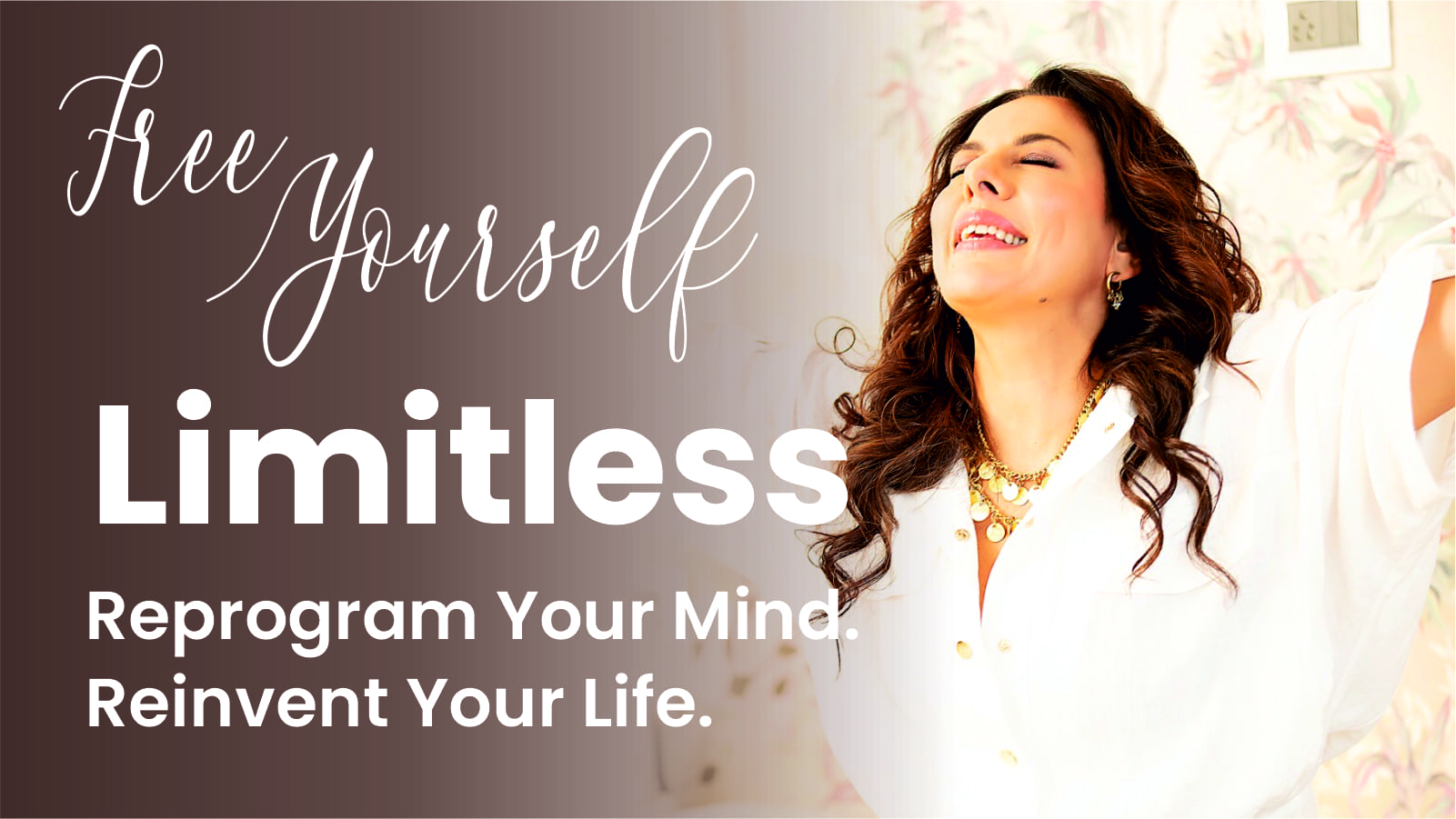
LIMITLESS is a transformative 12-week self-paced online course by Pooja Bedi, designed to help you reprogram your mind, overcome limiting beliefs and unlock your highest potential. Blending practical tools from NLP, clinical hypnosis, mindfulness, energy sciences and holistic wellness, the course empowers you to build confidence, cultivate a positive mindset and create lasting personal transformation. With engaging video lessons, guided meditations, exercises and access to a supportive community, LIMITLESS offers a step-by-step journey toward living with greater clarity, purpose, abundance and happiness.