Skip to content
When Being Loving Becomes a Chore
That quiet flash of resentment in the middle of giving isn't a sign you've stopped loving. It's a sign you've been giving from empty. In this piece, Pooja Bedi explores the moment caring becomes a chore, why generosity turns toxic, and how to love from fullness rather than depletion.


There’s a moment most givers know but rarely admit to.
You’re doing the thing. The thing you always do. Remembering the birthday, making the call, cooking the meal, smoothing the situation, holding the family together, being the one everyone leans on. And somewhere in the middle of it, a thought arrives that you immediately feel guilty for having.
Why is it always me?
And then, just as quickly, you push it away. Because good people don’t think like that. Loving people don’t keep score. You should want to do this. And so you bury the thought, paste on the smile, and carry on… a little more tired, a little more hollow, a little more like a person performing love rather than feeling it.
I want to talk about that moment today. Because that flash of resentment you felt is not a sign that you’ve stopped being loving. It’s a sign that somewhere along the way, love stopped flowing through you and started draining out of you. And there is an enormous difference.
The Day Caring Became a Duty
The general purpose of any loving relationship, whether with a partner, a child, a parent or a friend, is to bring warmth, connection and a sense of belonging into our lives. People are meant to enter your life to add to it. To enhance it. To show you new dimensions, to better your journey, to walk alongside you as equals with caring, compassion and concern.
But here is what happens, slowly and almost invisibly. When a relationship or a person is taken for granted, the caring begins to diminish. And caring, that one simple word, is the most integral part of any bond there is. The moment it fades, something quietly shifts. Caring becomes duty. And duty becomes a chore. People begin to feel that simply by being present, by showing up and going through the motions, they have done their job. But love was never a job. The moment it becomes one, it begins to defeat the very reason it exists. Communication fades. Emotion flattens. Neglect creeps in through the gap where tenderness used to be.
And the cruel part is that the person doing all the giving is often the last to notice what’s happening to them. They’re too busy giving to register that they are running on empty. They mistake their exhaustion for love. They mistake their depletion for devotion.
It isn’t. Depletion is not devotion. It’s just depletion wearing devotion’s clothes.
When Giving Turns Toxic
Let me say something that might sound strange coming from someone who believes deeply in generosity.
Giving can become toxic.
Not the giving itself. Giving from a full heart is one of the healthiest, most joyful states a human being can live in. It lights you up. It connects you to people. It makes the world feel warm. I would never tell you to give less from that place.
Giving turns toxic at one precise point: when it quietly becomes transactional. When you give, and then wait to be appreciated for it, and the appreciation doesn’t come. Something curdles. All that beautiful, positive giving gets slowly eroded by the resentment that follows. You gave to feel good, and now you feel resentful, and resentment is a far heavier thing to carry than the original giving ever was.
Here is something I learned that genuinely changed how I see this. Everyone is playing a role, and you are the one who chose yours. The requirements and the boundaries of your role were crafted by nobody but you. So if you have chosen to go beyond what the role actually asks, to add the frills and the extras and the going-above-and-beyond, and it has reached a point where the giving has started to hurt… then here is the moral of the entire story of giving.
No one forced you to do the extra. No one is going to force you to stop. So simply stop.
And watch what happens. Because if what you were doing genuinely mattered, and it was missed, the people around you will make it worth your while to turn the tap back on. And if it isn’t missed at all, well… that’s information too, isn’t it?
You Cannot Pour From an Empty Cup
The deepest issue underneath all of this is rarely about the other person. It’s about the fact that so many of us are co-dependent on relationships to supply something we were meant to generate within ourselves.
Think about it. If your entire sense of being loved, stable, needed and anchored comes from how much you give to others, then your wellbeing is permanently hostage to their response. If they appreciate you, you’re okay. If they don’t, you crumble. That is a terrifyingly fragile way to live, and it’s exhausting, because it means you can never stop giving long enough to find out who you are without it.
My fifteen-year-old son once said something to me I have never forgotten. If you cannot tolerate your own company for even a few hours, how can you expect anyone else to? The question underneath that is gentle but profound. Do you actually like yourself? Could you sit with yourself, no phone, no distraction, no one to take care of, and feel genuinely okay? Or have you been giving so relentlessly partly because the silence of your own company feels unbearable?
This is not an accusation. It’s an invitation. Because the goal was never to stop loving people. The goal is to become so full, so warm, so steady in your own self-love that what you give to others overflows from abundance rather than draining out of scarcity.
Love that depletes you is not the highest form of love. It’s the most common misunderstanding of it. Love is not measured by how much of yourself you disappear to keep someone else comfortable.
So start small, and start with yourself. Refill the cup before you pour from it. Say no to the extra thing that’s quietly draining you. Spend an evening in your own company and notice how it feels. And the next time that flash of why is it always me arrives, don’t bury it in guilt. Listen to it. It isn’t telling you that you’ve stopped being a good person. It’s telling you that you’ve been giving from empty, and it’s time, finally, to fill yourself back up.
The people who truly belong in your life will not love you less when you start replenishing yourself. They’ll get the warmer, fuller, genuinely present version of you. And that is a far greater gift than the depleted one you’ve been handing out.
If learning to give from fullness rather than fear, and rebuilding the kind of self-love that doesn’t depend on anyone else’s appreciation, is the work you know you need, that is exactly what we do together in LIMITLESS.
Frequently Asked Questions (FAQs)
Why does being loving sometimes feel like a chore?
Because somewhere along the way, the caring stopped flowing from a full heart and started draining from an empty one. When you give continuously without being replenished, whether through appreciation, reciprocity or your own self-care, love quietly turns into duty, and duty becomes a chore. This usually happens in relationships where one person has been taken for granted for a long time. The exhaustion you feel is not a sign that you’ve stopped loving. It’s a sign that you’ve been pouring from a cup that nobody, including you, has refilled.
Is it normal to feel resentful in a loving relationship?
Yes, and that resentment is important information rather than a character flaw. Resentment in a loving relationship usually appears when there is a persistent imbalance between what you give and what you receive. You can adore someone and still feel quietly resentful if you’ve been overgiving and underappreciated for a long time. The resentment is not the enemy. It’s a signal pointing to a boundary that needs setting or a conversation that needs having. Ignored, it hardens into distance. Listened to, it can actually save the relationship.
How do I know if I’m giving too much in a relationship?
The clearest sign is that the giving has started to hurt rather than fulfil you. When generosity is healthy, it lights you up and feels good to offer. When you’ve crossed into overgiving, you begin to feel depleted, taken for granted, and quietly resentful that your efforts aren’t noticed or returned. Another strong signal is that you’ve lost yourself in the role, you no longer know what you want, need or enjoy outside of caring for others. If your giving has become a source of exhaustion rather than joy, you are very likely giving from scarcity rather than abundance.
Can you love someone and still set boundaries with them?
Absolutely, and in fact real love requires it. Boundaries are not the opposite of love. They are what keep love sustainable. When you give endlessly without limits, you eventually give from depletion, and depleted love turns into resentment, neglect and emotional distance. Setting a boundary, choosing to stop the extra giving that’s draining you, is not selfish. It protects both you and the relationship from the slow erosion that overgiving inevitably causes. The people who genuinely value you will respect your limits. The ones who only valued your usefulness will reveal themselves, and that clarity is its own kind of gift.
How do I stop over-giving without feeling guilty?
Start by recognising that the guilt is the old programming, not the truth. Most of us, particularly women, were raised to believe our worth lies in how much we give and how little we ask. So when you stop overgiving, guilt rushes in to fill the gap. The key is to remember that no one forced you to give beyond what the relationship actually required, and no one will force you to stop, so the choice has always been yours. Begin small. Withdraw one draining extra and notice that the world doesn’t end. Over time, giving from fullness rather than obligation stops feeling like a loss and starts feeling like self-respect.
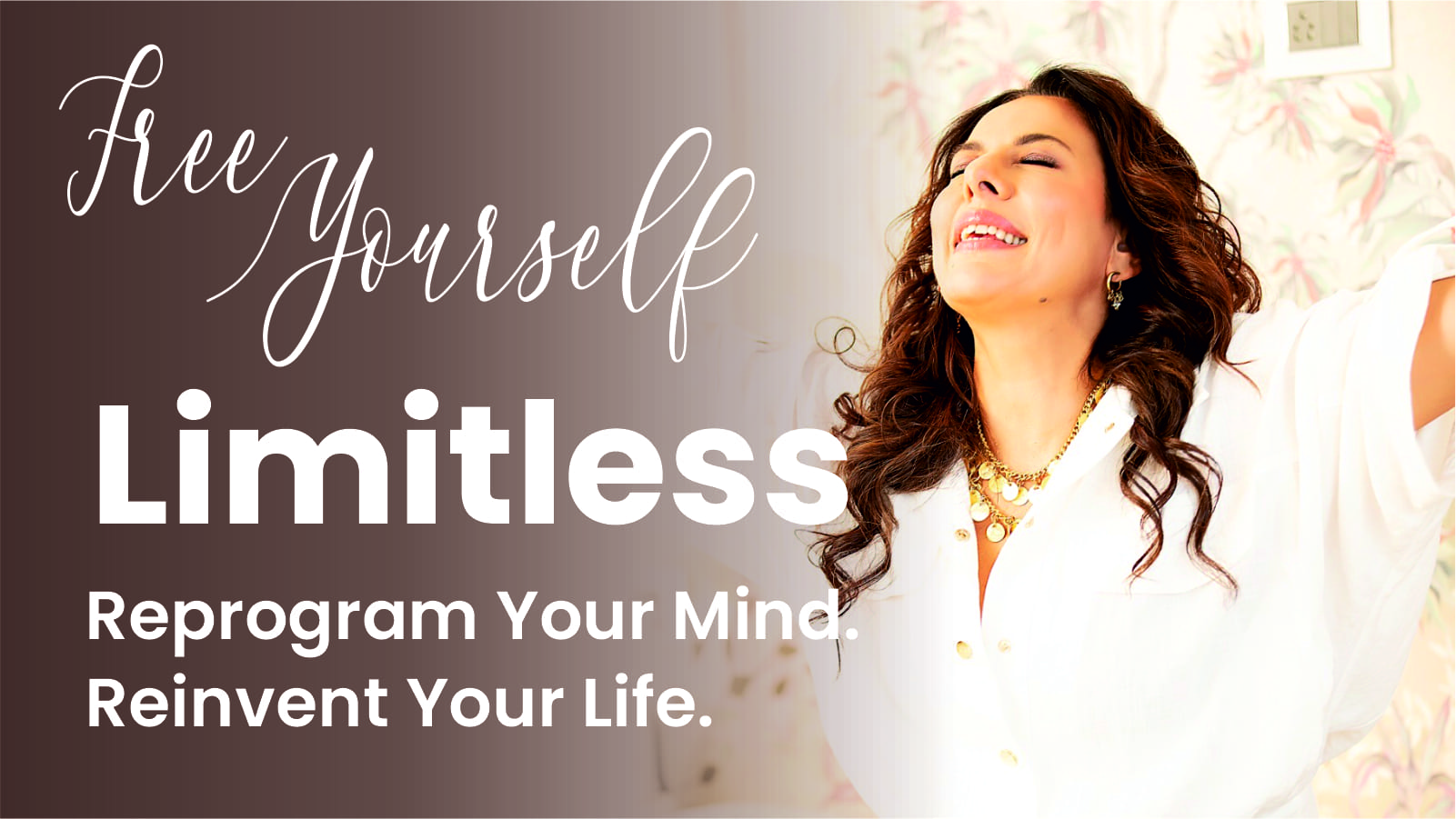
LIMITLESS is a transformative 12-week self-paced online course by Pooja Bedi, designed to help you reprogram your mind, overcome limiting beliefs and unlock your highest potential. Blending practical tools from NLP, clinical hypnosis, mindfulness, energy sciences and holistic wellness, the course empowers you to build confidence, cultivate a positive mindset and create lasting personal transformation. With engaging video lessons, guided meditations, exercises and access to a supportive community, LIMITLESS offers a step-by-step journey toward living with greater clarity, purpose, abundance and happiness.